 RisingStar
- Home
- About Us
- Products
- News
- Video
- Contact
- Send Inquiry
Search
- Home
- About Us
- Products
- News
- Video
- Contact
- Send Inquiry
RisingStar
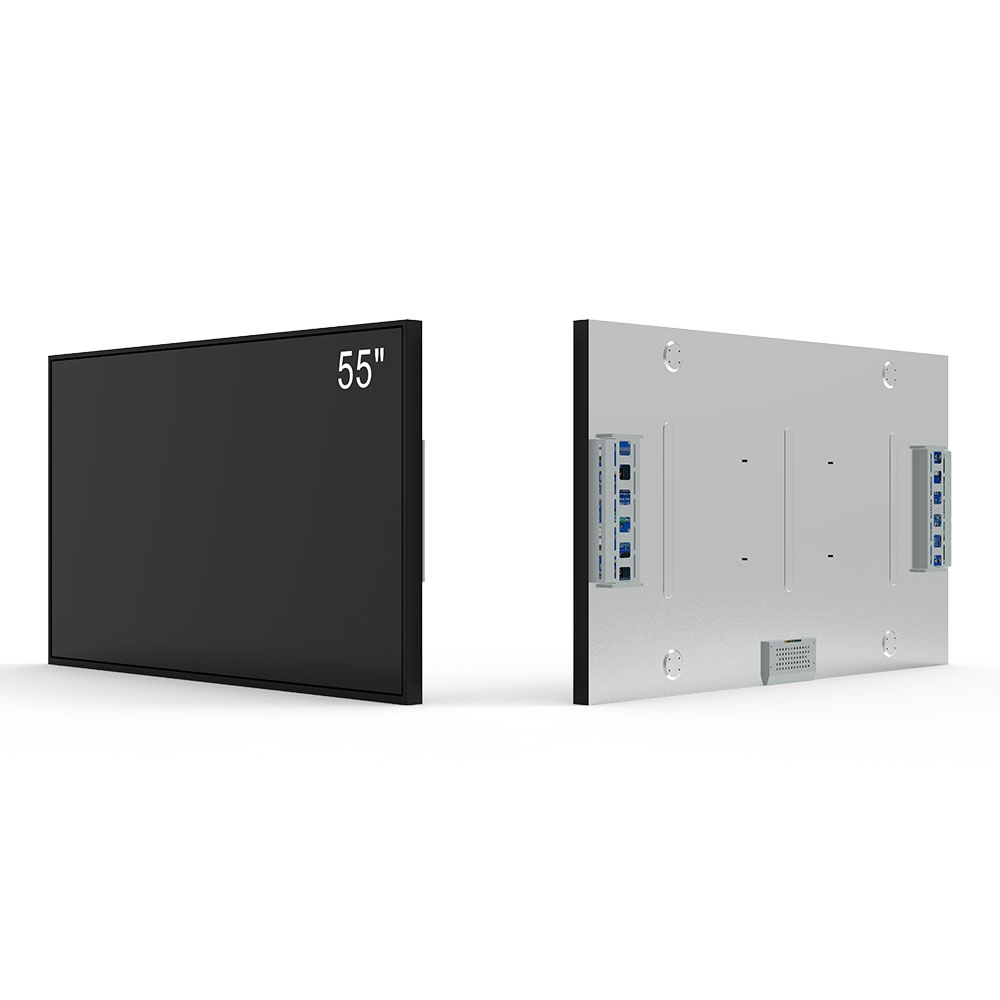
High-brightness sunlight-readable LCD displays are essential components in modern outdoor electronics, especially in military, industrial, transportation, and medical fields where visibility under direct sunlight is critical. Unlike standard LCDs that suffer from glare and contrast loss in bright environments, these specialized displays are engineered to maintain readability even at 10,000 lux or higher ambient light levels—equivalent to full midday sun.
The core technology behind high-brightness sunlight-readable LCDs lies in their advanced backlighting systems, anti-reflective coatings, and optimized liquid crystal materials. For example, many models use LED backlights with brightness exceeding 5,000 nits (cd/m²), compared to the typical 300–500 nits of consumer-grade screens. Some military-grade units can reach up to 15,000 nits, ensuring clarity in extreme conditions such as desert operations or aircraft cockpits. Additionally, polarized filters, micro-louvered diffusers, and surface treatments like nano-coatings reduce internal reflections and improve contrast ratios by over 20:1—even when viewed at oblique angles.
A key innovation is the use of transflective liquid crystal technology, which combines both transmissive (for indoor use) and reflective (for sunlight) modes. This hybrid approach reduces power consumption while maintaining performance across lighting conditions—an important factor in battery-powered devices like handheld tactical displays or portable medical monitors. According to a 2023 report by MarketsandMarkets, the global market for sunlight-readable displays is projected to grow at a CAGR of 7.2% through 2028, driven by increasing demand in autonomous vehicles, smart infrastructure, and ruggedized IoT devices.
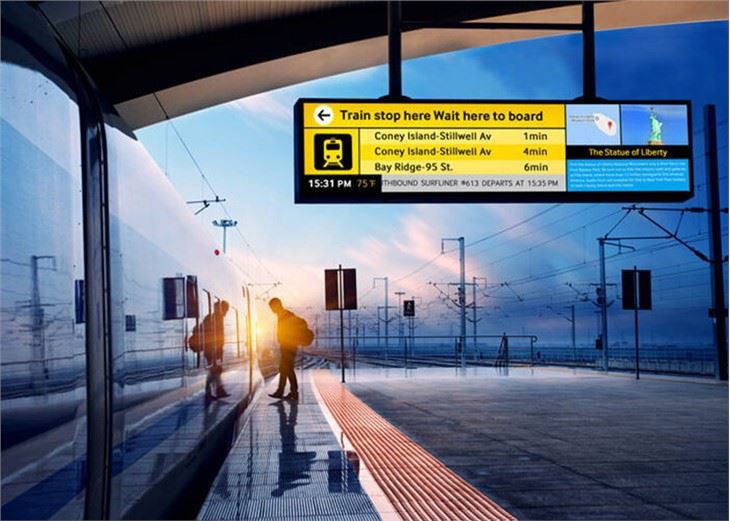
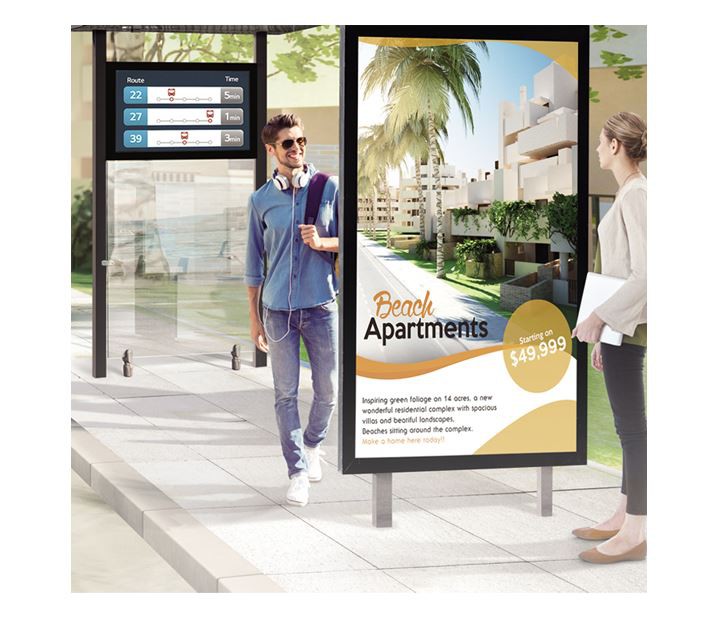
Case studies highlight real-world effectiveness. In a 2022 deployment by the U.S. Army, soldiers using battlefield communication devices equipped with 10,000-nit sunlight-readable LCDs reported 94% faster target identification in open terrain compared to traditional displays. Similarly, public transit agencies in Tokyo and Singapore have adopted high-brightness displays for digital signage on buses and trains, resulting in a 30% increase in rider engagement during peak daylight hours.
Manufacturers like LG Display, Sharp, and Crystalfontz follow international standards such as MIL-STD-810G for environmental durability and ISO 9241-3 for human factors in display design. These ensure not only visual performance but also resistance to shock, vibration, temperature extremes (-30°C to +70°C), and humidity. Furthermore, compliance with RoHS and REACH regulations ensures environmental safety and global market access.
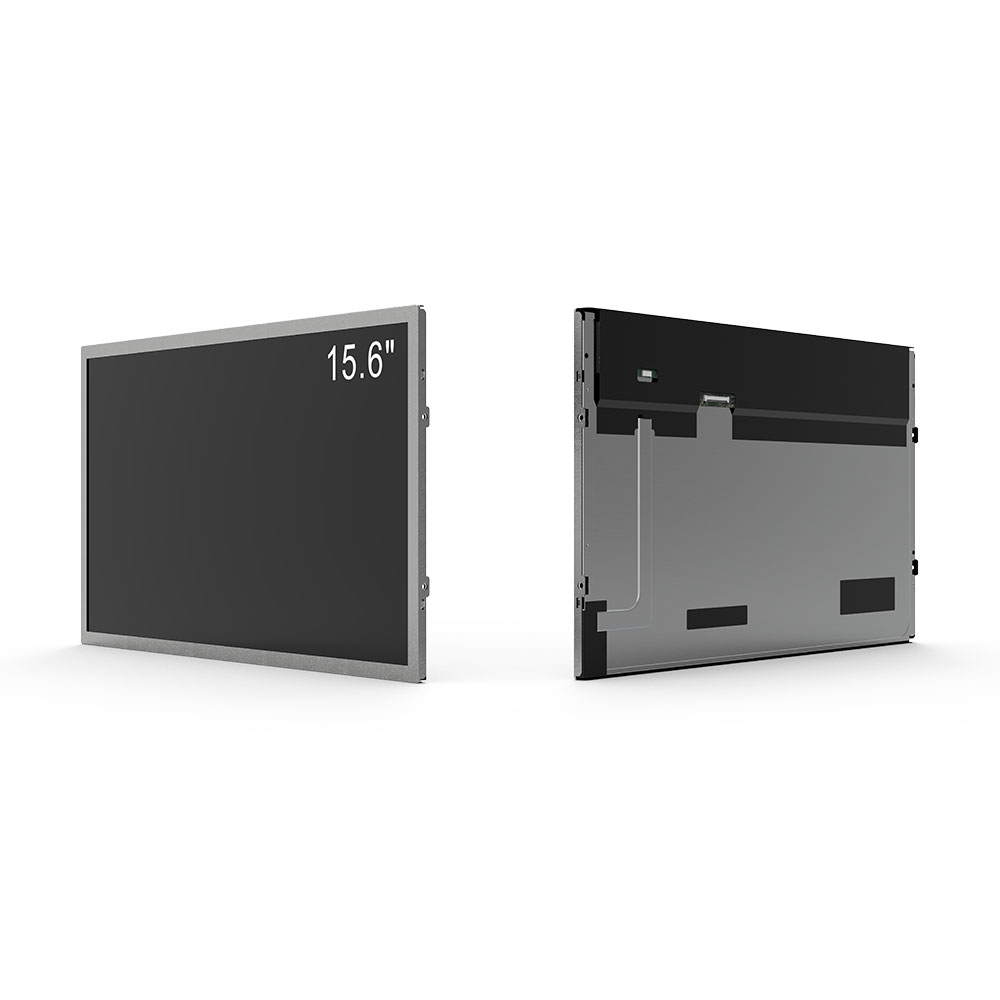
For engineers and product designers, selecting the right sunlight-readable LCD involves evaluating luminance, viewing angle, color accuracy, power efficiency, and integration ease. Customization options—such as touchscreen compatibility, IP67 sealing, and embedded controllers—are increasingly common, allowing tailored solutions for applications ranging from drone control panels to solar-powered weather stations.
In summary, high-brightness sunlight-readable LCDs represent a mature yet rapidly evolving technology. Their ability to deliver crisp, readable images under harsh lighting conditions makes them indispensable in today’s connected world. As outdoor digital interfaces become more pervasive—from smart city kiosks to agricultural monitoring systems—the demand for reliable, high-performance displays will continue to rise.