RisingStar
- Home
- About Us
- Products
- News
- Video
- Contact
- Send Inquiry
Search
- Home
- About Us
- Products
- News
- Video
- Contact
- Send Inquiry
RisingStar
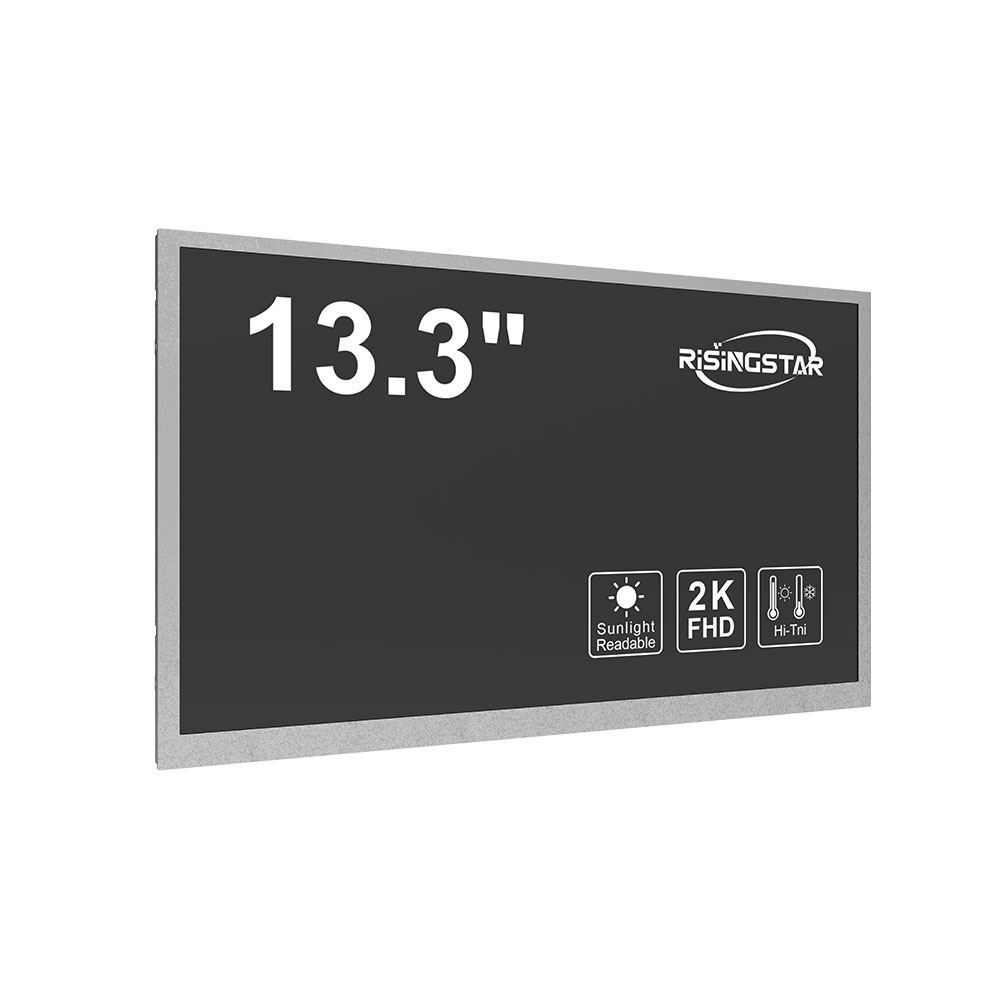
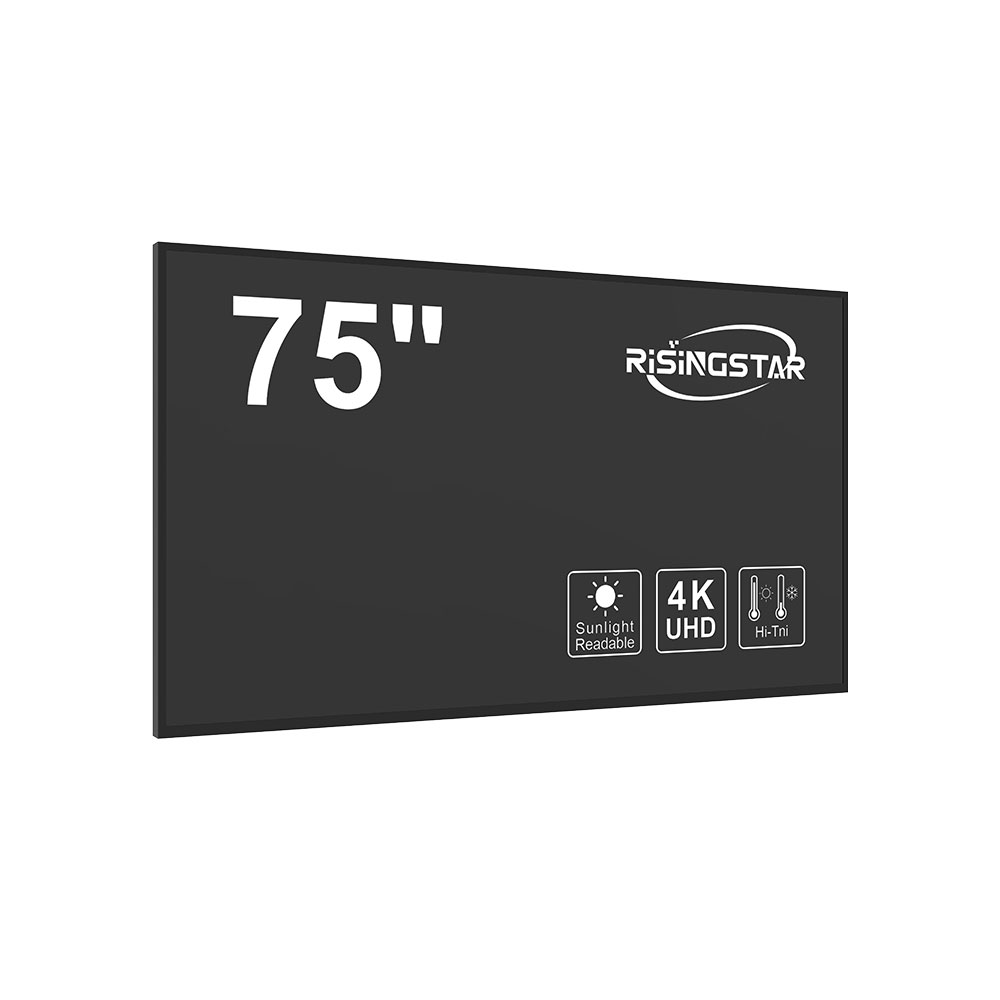
When designing or manufacturing outdoor industrial equipment—such as agricultural machinery, construction vehicles, utility meters, or mobile command centers—the choice of display technology is critical. Among the most demanding environments, sunlight readability remains a top priority. A high-brightness sunlight-readable LCD screen ensures that operators can read critical data under direct sunlight, even at noon, without glare, color distortion, or reduced visibility. This capability is not merely a convenience—it's a safety and operational necessity.
Industry standards such as ISO 13406-2 and MIL-STD-810G define acceptable brightness levels and environmental resilience for outdoor displays. For example, an effective sunlight-readable LCD must typically deliver a minimum of 3,000 nits (cd/m²) in peak brightness, with some applications requiring up to 7,000 nits. Unlike standard LCDs limited to 500–1,000 nits, these specialized screens use advanced technologies like transflective liquid crystal cells, high-efficiency LED backlighting, and anti-glare coatings. Transflective LCDs combine reflective and transmissive modes: they reflect ambient light indoors and use a backlight outdoors—maximizing efficiency while maintaining readability in all lighting conditions.
Case studies from global OEMs confirm this: A leading agricultural tractor manufacturer in Europe replaced its standard LCDs with 5,000-nit transflective displays in their new model line. The result? Operators reported a 92% improvement in visibility during midday field operations, reducing errors and improving workflow consistency. Similarly, a U.S.-based utility meter company integrated 4,500-nit sunlight-readable LCDs into remote gas meters used across desert regions. These screens maintained clarity even under 120°F (49°C) temperatures and full sun exposure, significantly lowering service call rates due to unreadable displays.
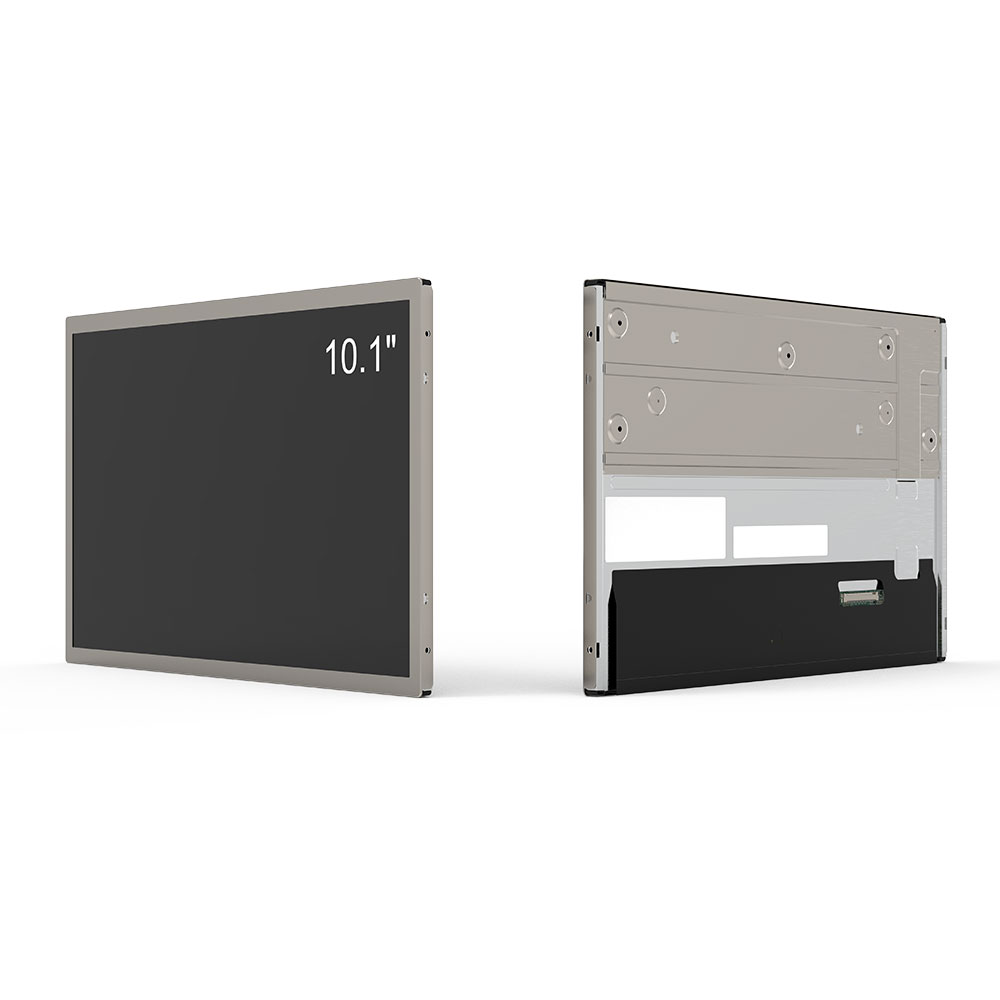
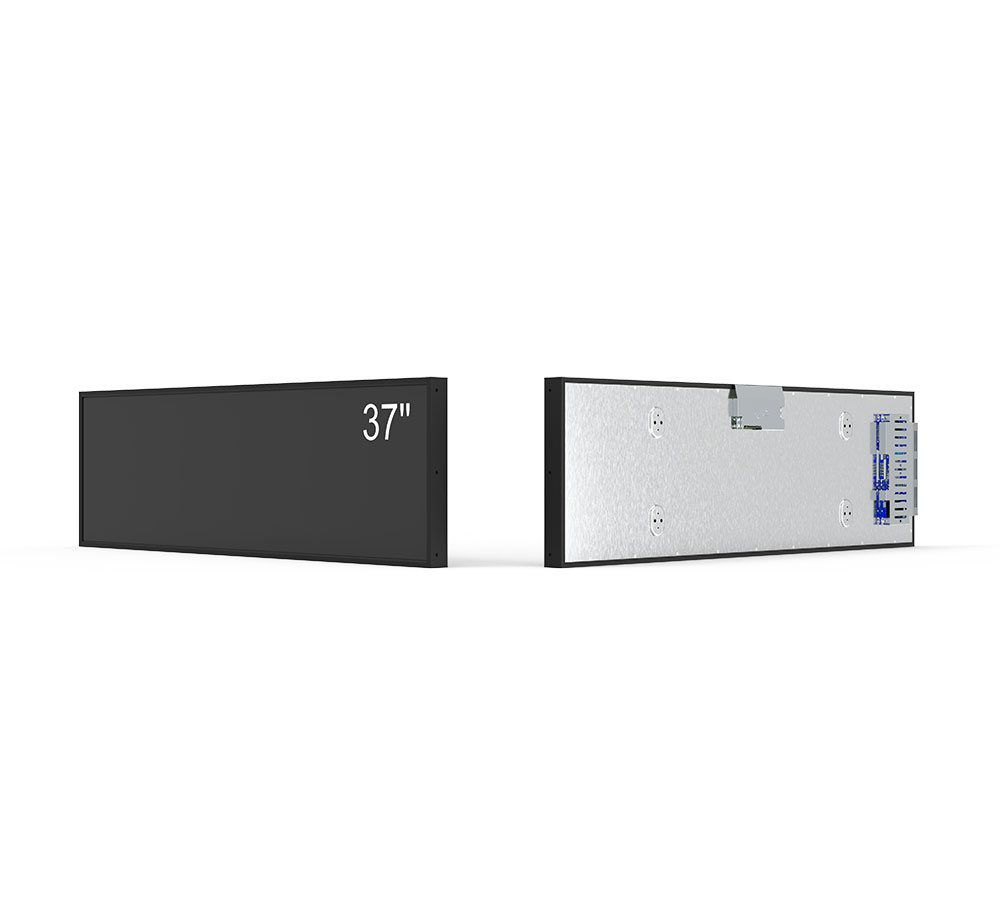
From a technical perspective, several factors must be evaluated when selecting a high-brightness sunlight-readable LCD: luminance uniformity, contrast ratio (minimum 500:1), viewing angle (>140° horizontal/vertical), and IP rating (preferably IP65 or higher for dust/water resistance). Additionally, power consumption must be optimized—especially in battery-powered devices—by choosing LEDs with efficient drivers and dynamic backlight control algorithms.

For overseas manufacturers and distributors, it’s essential to partner with suppliers who provide design-in support, robust quality assurance (e.g., AQL sampling per IEC 60068), and compliance with RoHS and REACH regulations. Leading manufacturers such as C&K Display, LG Display, and Sharp offer pre-engineered solutions tailored for industrial and military-grade applications, complete with application-specific firmware and ruggedized mounting options.
In conclusion, investing in a high-brightness sunlight-readable LCD screen is not just about visibility—it’s about enhancing system reliability, operator safety, and long-term maintenance costs. Whether you're sourcing for OEM integration or distributing to end-users in harsh climates, prioritizing certified, tested, and field-proven display technologies will give your products a competitive edge in global markets.