RisingStar
- Home
- About Us
- Products
- News
- Video
- Contact
- Send Inquiry
Search
- Home
- About Us
- Products
- News
- Video
- Contact
- Send Inquiry
RisingStar
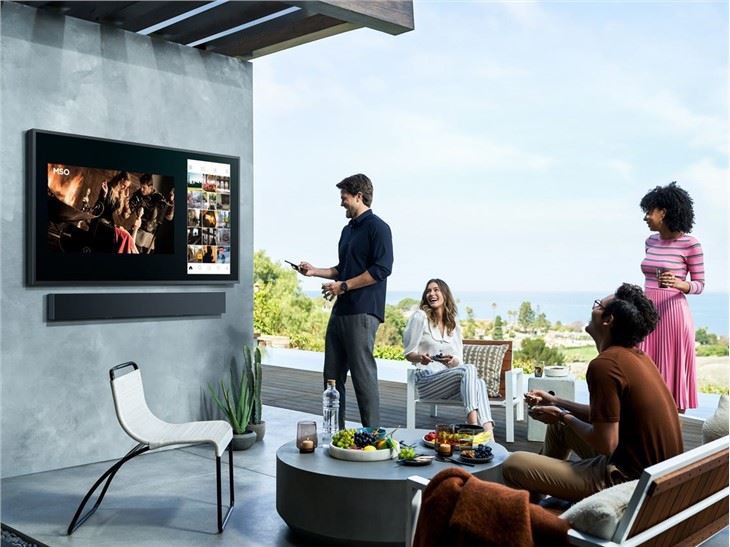
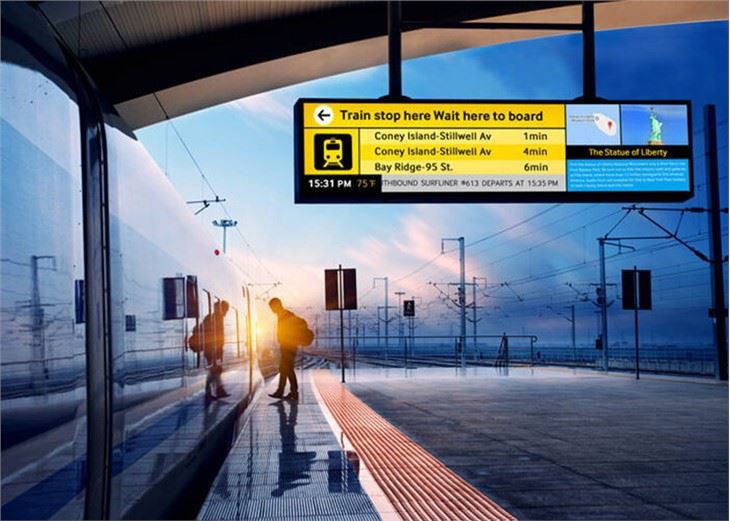
High-brightness sunlight-readable LCD screens are essential in outdoor and high-ambient-light environments where standard displays fail to deliver visibility. These screens are engineered to maintain clarity, contrast, and color accuracy under direct sunlight, making them indispensable in industries such as defense, transportation, agriculture, medical devices, and industrial automation. Unlike conventional LCDs that rely on ambient light or internal backlighting alone, sunlight-readable displays integrate advanced optical design, high-luminance LEDs, and anti-glare coatings—often achieving brightness levels exceeding 5,000 nits (cd/m²), with some military-grade models reaching 10,000 nits or more.
A key advantage of these displays lies in their ability to operate reliably in extreme conditions—from desert heat to arctic cold—without performance degradation. For instance, in the automotive industry, vehicle dashboards equipped with sunlight-readable LCDs ensure driver safety by maintaining readability even during peak sun exposure. In aviation, cockpit displays must comply with MIL-STD-1883 (military standard for display readability) to prevent visual fatigue and enhance situational awareness. Similarly, in solar-powered IoT systems deployed in remote areas, such as weather stations or agricultural sensors, these displays provide critical data visualization without requiring additional power sources beyond solar input.
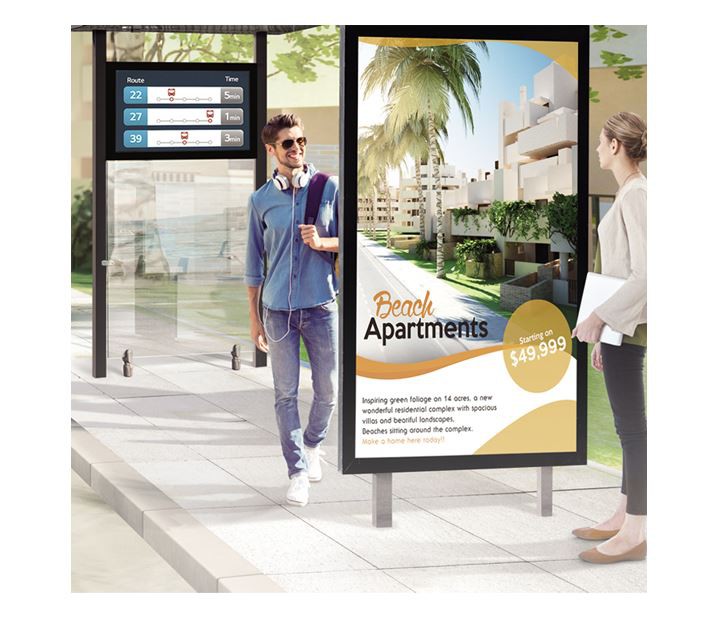
Practical applications extend into smart cities, where public kiosks and digital signage must remain visible under full sun, and in healthcare, where portable diagnostic devices need consistent screen performance in both indoor and outdoor settings. According to a 2023 report by MarketsandMarkets, the global market for sunlight-readable displays is projected to grow at a CAGR of 7.6% through 2028, driven by increasing demand from defense, medical, and industrial sectors.
However, common challenges include higher power consumption due to increased brightness requirements and thermal management issues, especially in enclosed spaces. To mitigate this, manufacturers are adopting adaptive brightness control technologies using ambient light sensors (ALS), which dynamically adjust luminance based on environmental conditions—a feature now found in most modern ruggedized displays. Another emerging trend is the integration of OLED-based sunlight-readable panels, which offer better contrast ratios and faster response times while maintaining low power usage compared to traditional LED-backlit LCDs. Companies like LG Display and BOE have begun commercializing ultra-high-brightness OLEDs suitable for outdoor use, marking a significant shift in display technology.
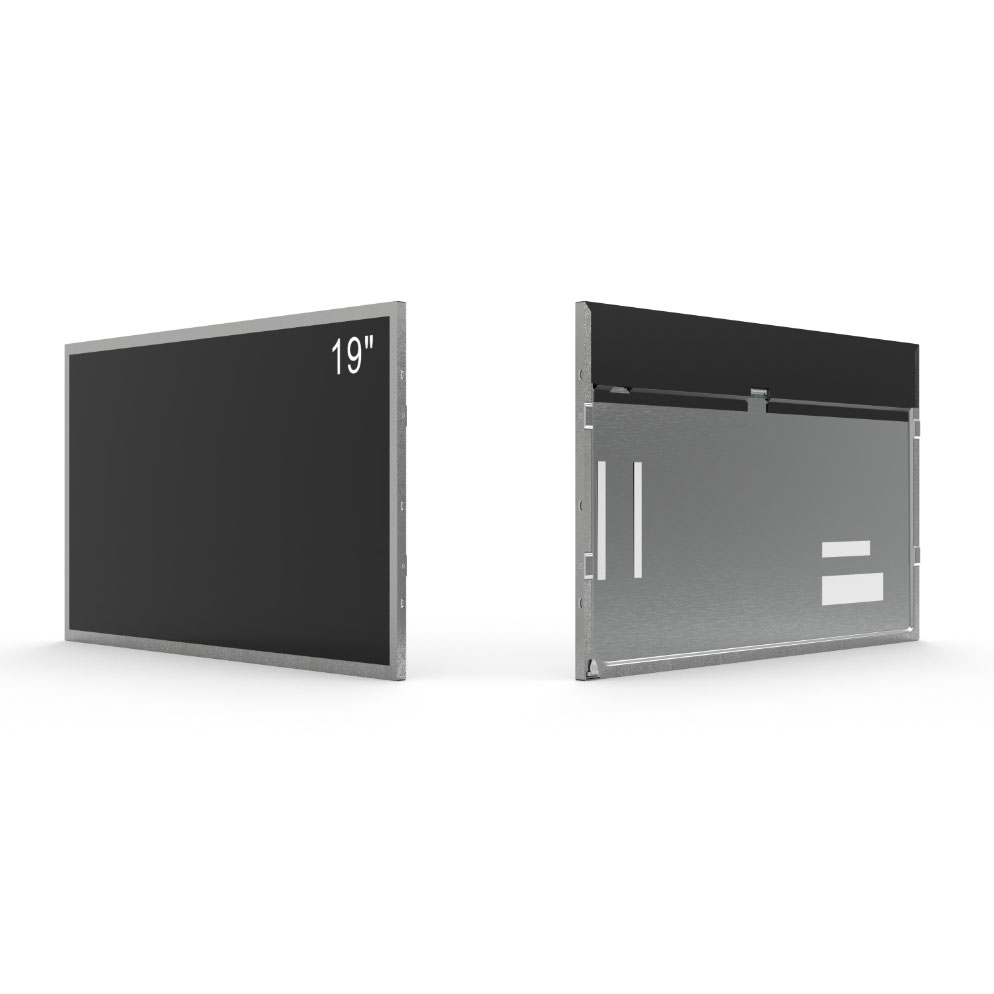
Furthermore, recent advancements in micro-LED and quantum dot (QD) technologies are enhancing color gamut and durability. These innovations reduce the reliance on bulky backlights and improve energy efficiency—a critical factor for battery-operated devices. Standards like ISO 9241-31 (Human-centred design for interactive systems) also influence design decisions, ensuring usability across diverse user groups.
In summary, high-brightness sunlight-readable LCD screens are no longer niche products but core components in modern electronics designed for real-world resilience. Their continued evolution promises not only improved performance but also greater energy efficiency and adaptability to next-generation applications such as autonomous vehicles, AR/VR headsets in outdoor environments, and edge computing deployments in harsh climates.