 RisingStar
- Home
- About Us
- Products
- News
- Video
- Contact
- Send Inquiry
Search
- Home
- About Us
- Products
- News
- Video
- Contact
- Send Inquiry
RisingStar
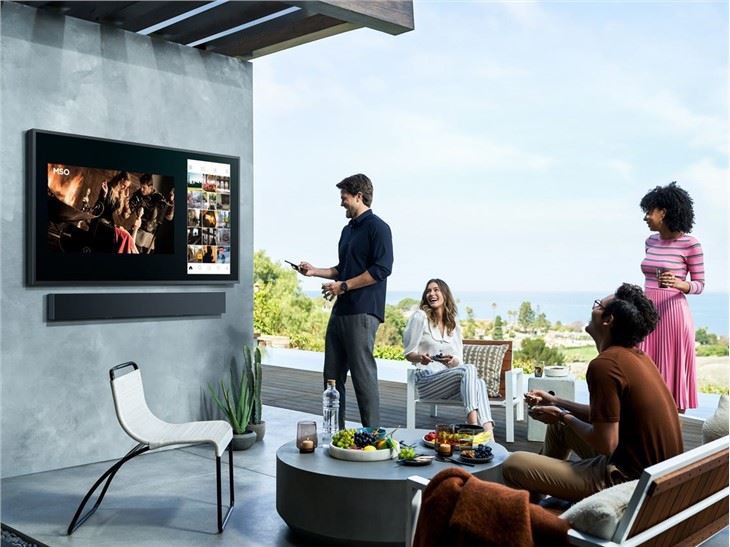
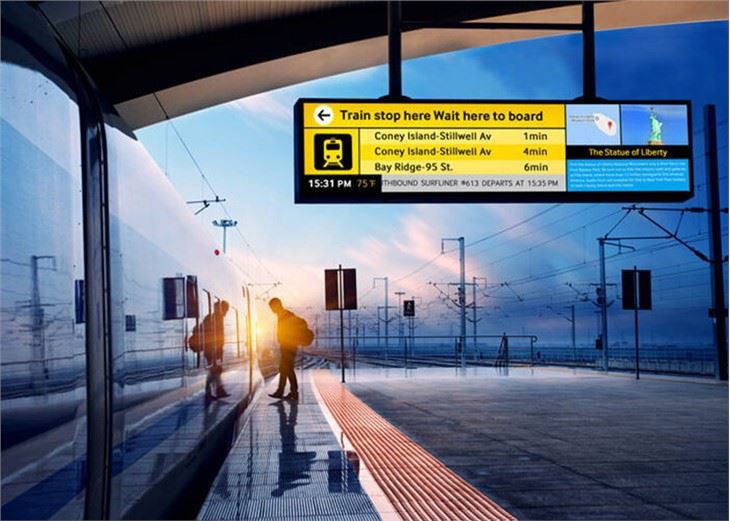
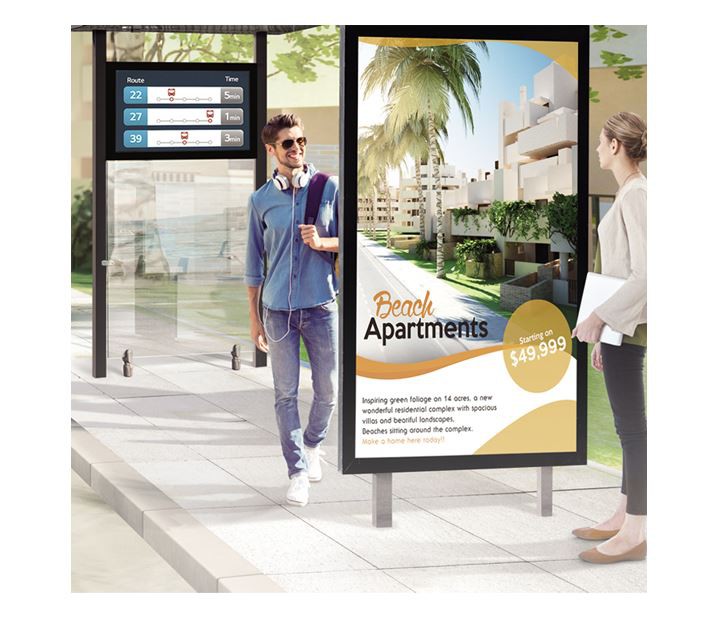
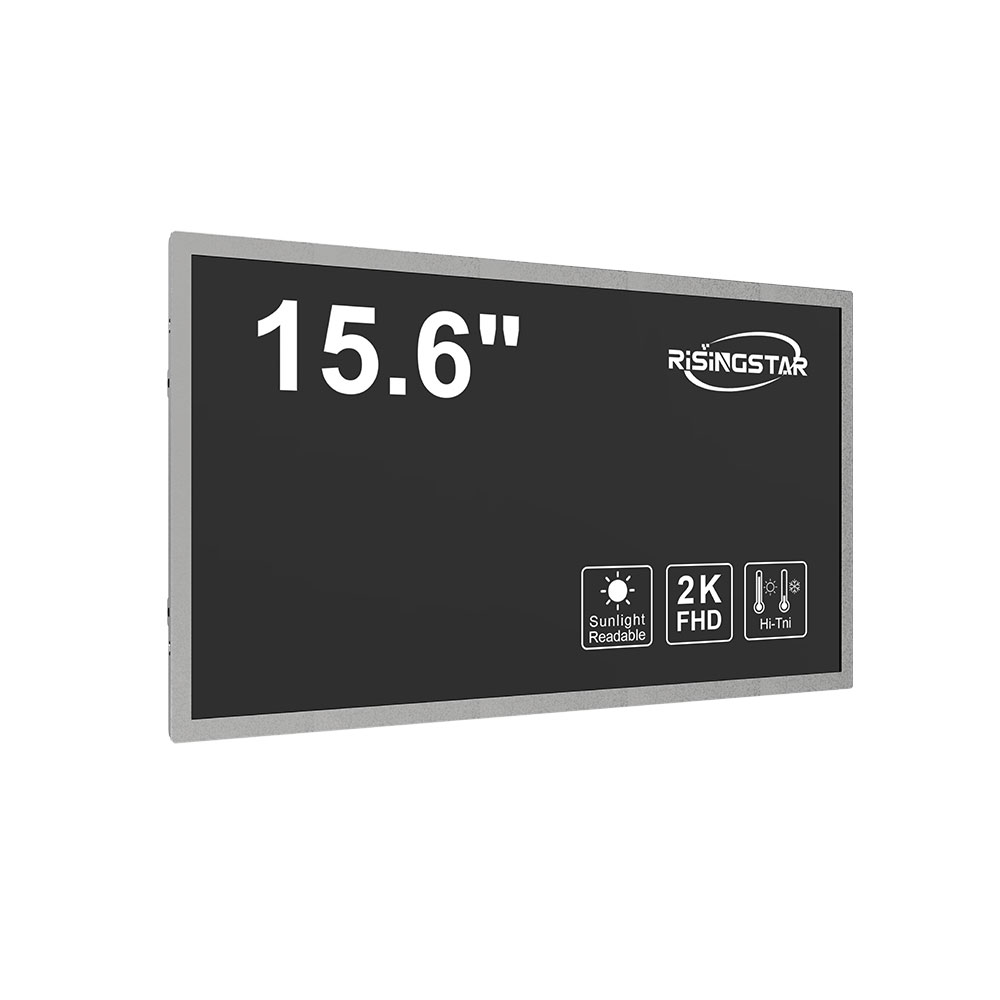
In today’s global industrial landscape, high-brightness sunlight-readable LCD displays are no longer a luxury—they are a necessity. For overseas equipment manufacturers and distributors serving sectors such as automotive, agriculture, defense, medical, and transportation, deploying reliable, high-performance display technology is critical to product success in demanding outdoor environments. These displays must perform flawlessly under direct sunlight, extreme temperatures, and mechanical stress—conditions that standard indoor LCDs simply cannot withstand.
The key metric defining a sunlight-readable display is brightness, typically measured in nits (cd/m²). While conventional indoor LCDs offer 200–400 nits, sunlight-readable displays commonly exceed 5,000 nits, with some military-grade models reaching up to 10,000 nits. This level of brightness ensures visibility even under direct solar radiation (which can reach up to 100,000 lux), a scenario where most standard screens become unreadable. The engineering behind this capability involves multiple technologies: high-efficiency LED backlighting, anti-reflective coatings, polarized glass layers, and advanced driver ICs optimized for dynamic contrast control.
Manufacturers like Sharp, LG Display, and Samsung have led the development of these panels, but custom solutions from specialized suppliers are increasingly preferred by OEMs seeking tailored performance. For example, a distributor supplying agricultural machinery in South America may require a 1000-nit display with IP67 waterproofing and wide temperature tolerance (-30°C to +70°C), whereas a European defense contractor might demand a 7000-nit, MIL-STD-810G-compliant unit with touch sensitivity in gloves. Customization is not just about specs—it includes integration support, firmware compatibility, and long-term supply chain reliability.
Case studies show significant ROI when high-brightness displays are implemented. In one instance, a U.S.-based construction equipment manufacturer reported a 40% reduction in field service calls after switching to 5,000-nit sunlight-readable LCDs in their excavators. Similarly, a Japanese medical device company saw improved operator efficiency in mobile diagnostic units by using 3,000-nit displays that remained legible during outdoor inspections.
Industry standards such as ISO 16750 (for automotive electronics) and EN 60068 (environmental testing) guide design, while IEC 60950-1 ensures safety compliance. For overseas clients, understanding regional certifications is vital—EU markets often require CE marking, while North American clients may insist on UL or FCC compliance.
From an E-E-A-T perspective—Experience, Expertise, Authoritativeness, Trustworthiness—the best suppliers provide not only hardware but also technical documentation, real-world test reports, and responsive engineering support. They partner with OEMs early in the design phase to ensure optimal integration into control systems, power management, and user interfaces.
In summary, high-brightness sunlight-readable LCDs are mission-critical components for any equipment destined for outdoor or harsh-environment applications. Their value extends beyond mere visibility—it affects usability, maintenance costs, safety, and ultimately, customer satisfaction. As global industries push into new frontiers—from autonomous farming to off-grid energy monitoring—these displays will remain at the heart of intelligent, resilient machine design.