 RisingStar
- Home
- About Us
- Products
- News
- Video
- Contact
- Send Inquiry
Search
- Home
- About Us
- Products
- News
- Video
- Contact
- Send Inquiry
RisingStar
High-brightness sunlight-readable LCD screens are essential components in modern outdoor electronic systems, offering visibility and functionality under harsh environmental conditions such as direct sunlight, extreme temperatures, and high humidity. These displays are widely used across industries including military, transportation, industrial automation, medical devices, and consumer electronics like kiosks and digital signage. Their ability to remain legible in bright daylight—often exceeding 5,000 nits of brightness—makes them indispensable in environments where standard LCDs fail.
One of the most notable advantages of sunlight-readable LCDs is their superior contrast ratio and anti-glare coatings, which reduce reflections and enhance image clarity even under intense solar exposure. Unlike conventional LCDs that rely on ambient light amplification, these displays integrate advanced backlighting technologies such as LED arrays with diffusers and optical films (e.g., brightness enhancement films or BEFs). Some models use dual-layer backlight systems—one for normal indoor operation and another for high-brightness outdoor mode—to optimize power efficiency while maintaining readability.
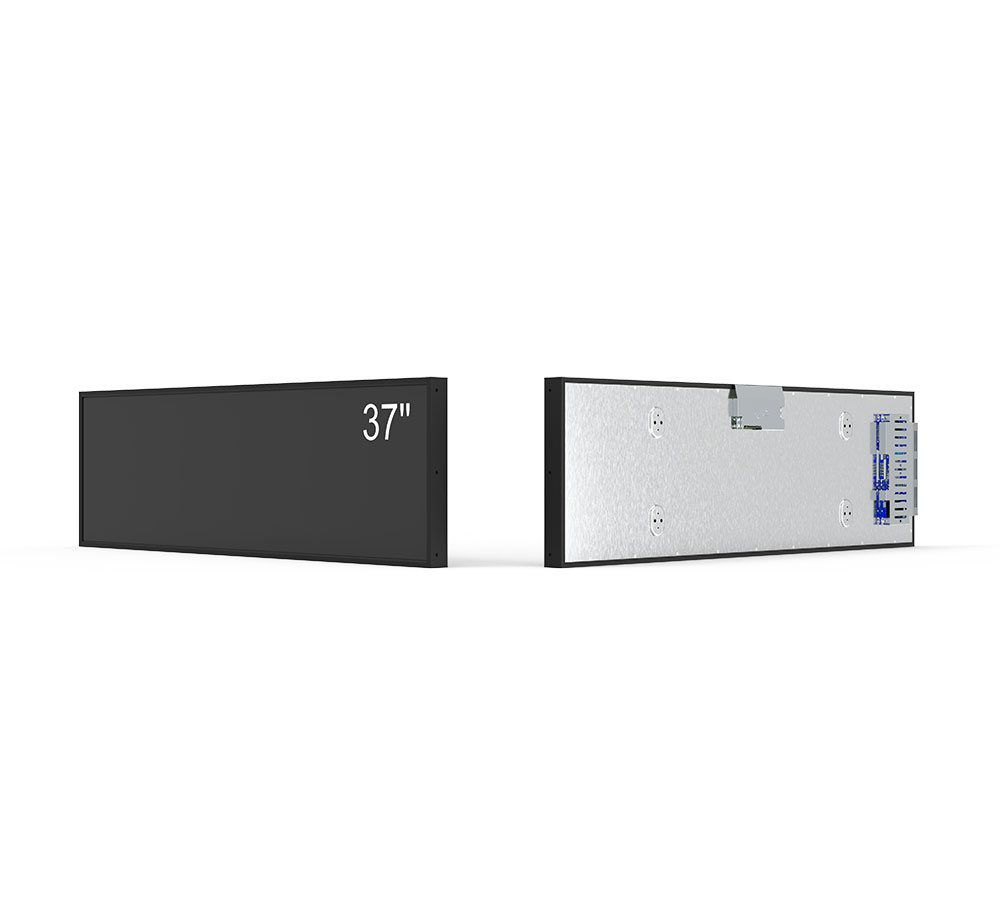
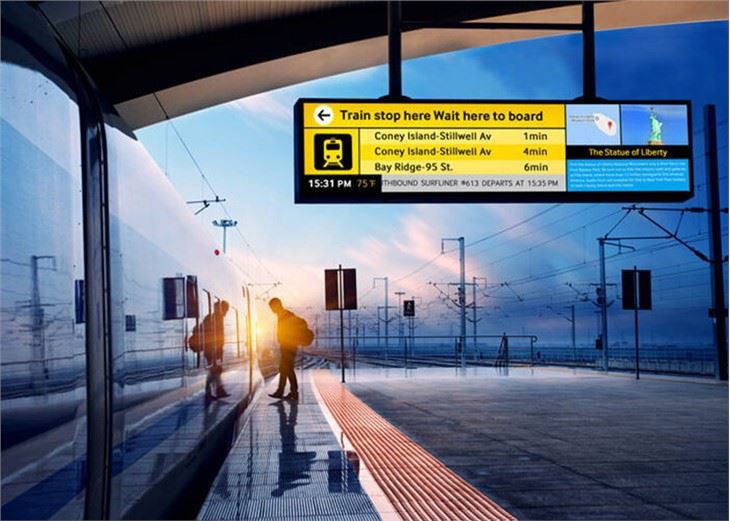
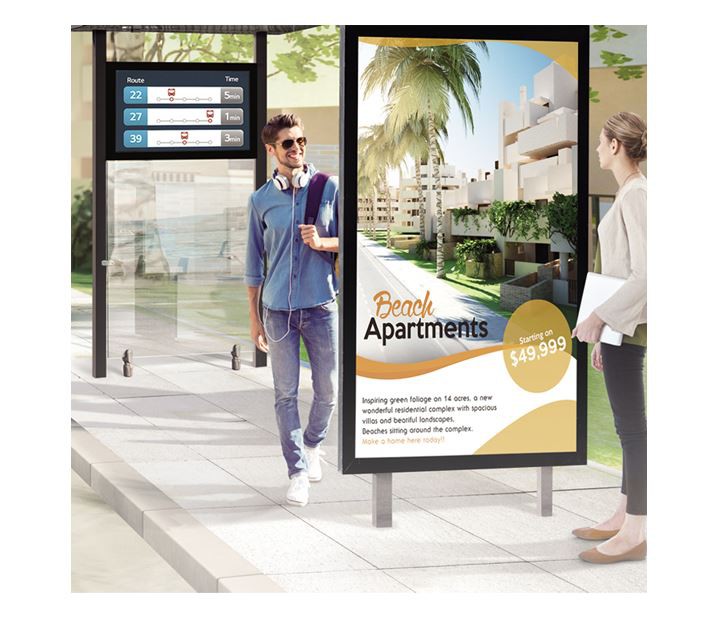
Practical applications span critical domains. In military operations, ruggedized sunlight-readable displays enable real-time tactical data access in field vehicles and handheld devices. For public transit systems, such as buses and trains, they ensure clear passenger information displays regardless of time of day. Industrial control panels in manufacturing facilities benefit from their resistance to dust, shock, and moisture, often meeting IP65 or higher ingress protection standards. Additionally, healthcare professionals now use them in mobile diagnostic units, especially in remote or resource-limited settings.
However, common problems persist. One challenge is thermal management—high brightness generates more heat, which can shorten lifespan if not properly dissipated. Another issue is power consumption; achieving 5,000+ nits requires significant energy, making battery-powered applications difficult without optimized power regulation circuits. Screen burn-in remains a concern with static content, though modern OLED-based sunlight-readable displays mitigate this through pixel-shifting algorithms and adaptive refresh rates.
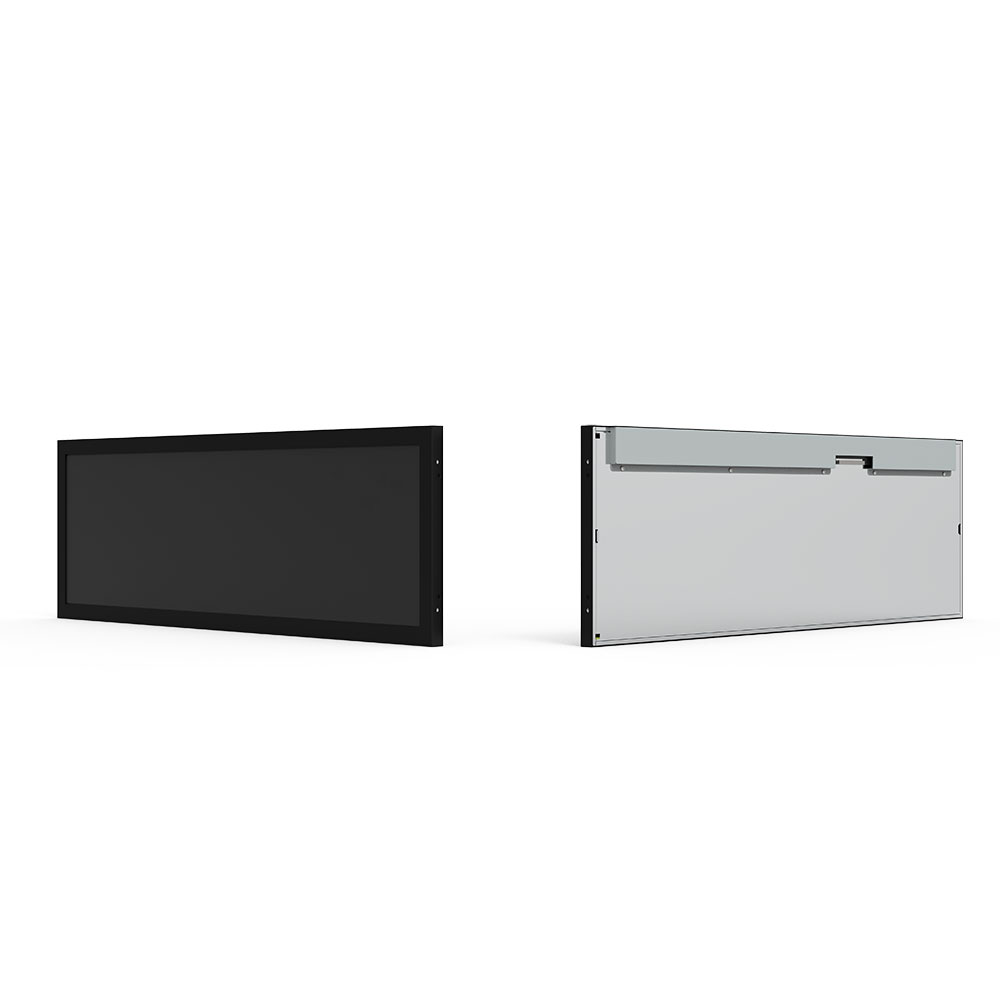
The latest trends show a shift toward mini-LED and micro-LED backlights, offering localized dimming and deeper blacks for improved contrast. Integration with AI-driven brightness adjustment (auto-brightness sensors + machine learning) allows dynamic adaptation to ambient lighting, enhancing both user experience and energy efficiency. Furthermore, manufacturers like LG Display, BOE Technology, and Sharp are pioneering flexible and transparent sunlight-readable panels for emerging applications in smart glass and augmented reality (AR) headsets.
These innovations align with global standards such as MIL-STD-810G for ruggedness and IEC 60068 for environmental testing, ensuring reliability across diverse operational conditions. As demand grows for robust, energy-efficient, and visually immersive outdoor displays, high-brightness sunlight-readable LCDs will continue to evolve, driven by advances in materials science, power management, and intelligent display control systems.