RisingStar
- Home
- About Us
- Products
- News
- Video
- Contact
- Send Inquiry
Search
- Home
- About Us
- Products
- News
- Video
- Contact
- Send Inquiry
RisingStar
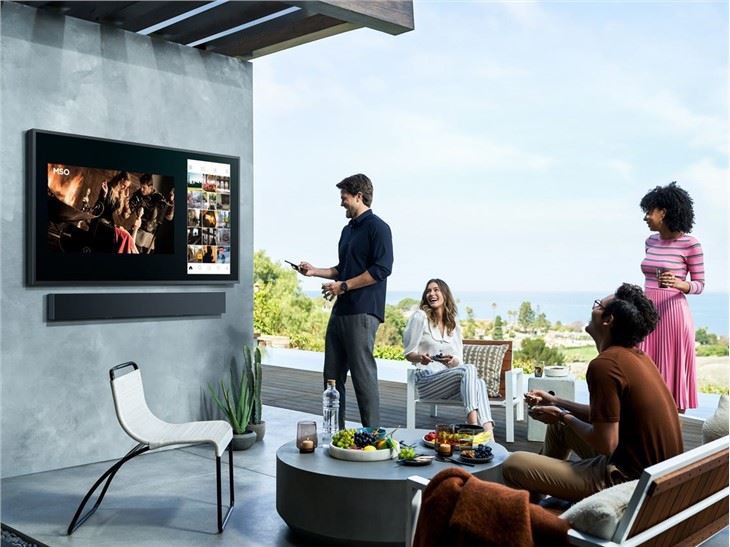
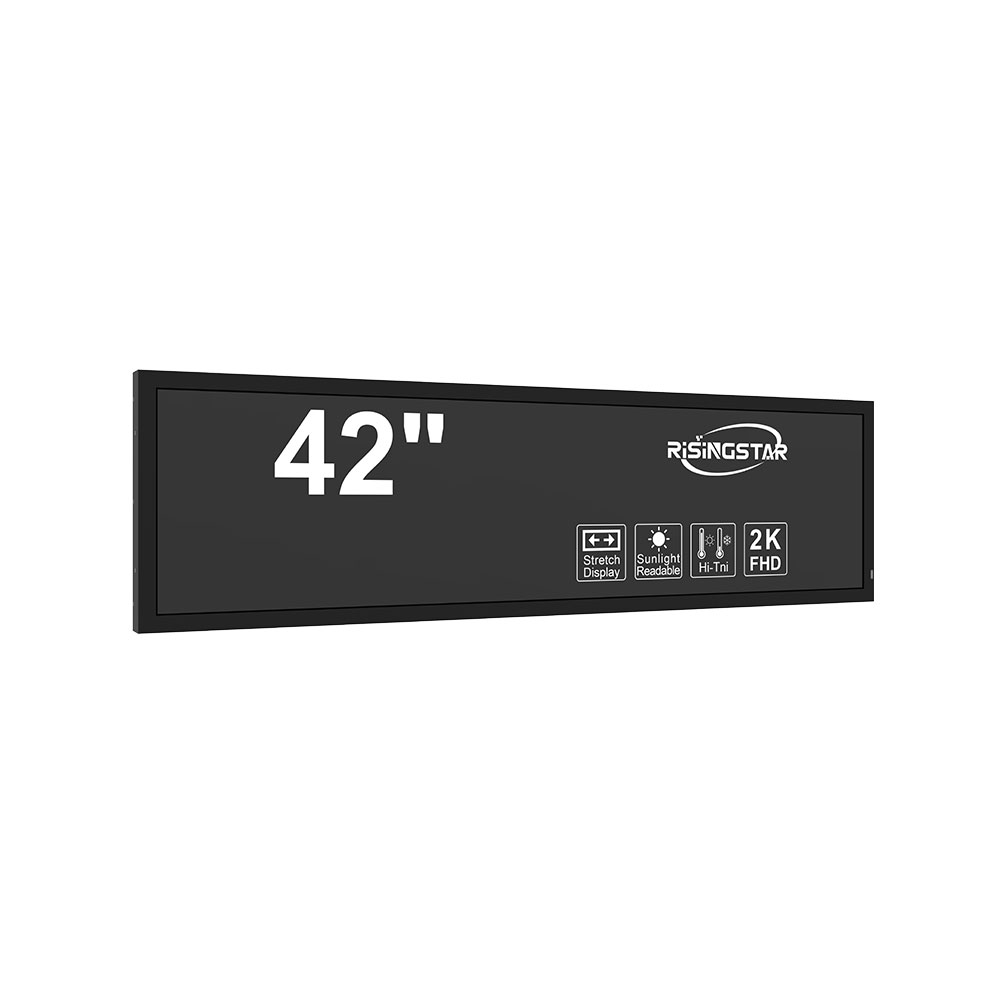
High-brightness sunlight-readable LCD displays are critical components in modern outdoor electronic systems where visibility under direct sunlight is non-negotiable. These displays, typically rated at 5,000 to 10,000 nits of brightness (compared to standard indoor LCDs at 200–500 nits), are engineered using advanced technologies such as high-luminance LED backlighting, anti-reflective coatings, and dynamic contrast enhancement algorithms. According to a 2023 report by MarketsandMarkets, the global market for sunlight-readable displays is projected to grow at a CAGR of 7.4% through 2028, driven by demand from automotive infotainment, military equipment, and industrial control panels.
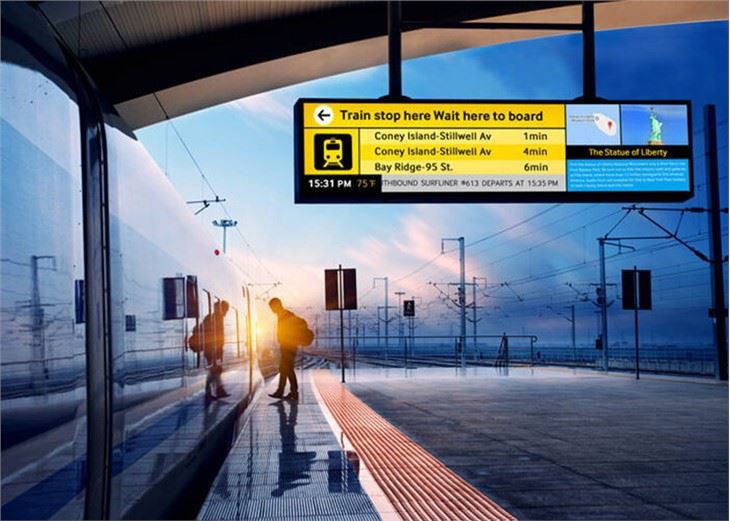
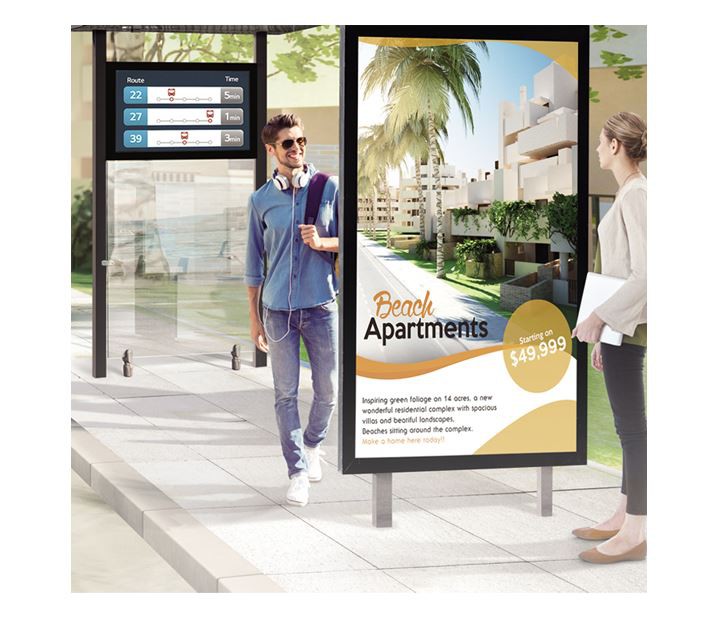
The core challenge in designing these screens lies in overcoming ambient light interference—especially in high-glare environments like construction sites, public transportation, or solar farms. Traditional LCDs suffer from washed-out images when exposed to direct sunlight, but sunlight-readable variants employ specialized polarizers, optimized pixel structures, and sometimes even dual-layer glass with nano-coatings to reduce glare while maximizing contrast. For instance, the U.S. Department of Defense has standardized MIL-STD-810G for ruggedized display durability, ensuring that devices maintain functionality across extreme temperatures, humidity, and vibration levels—requirements often mirrored in commercial applications like smart meters and kiosks.
Case studies further illustrate real-world performance. In 2022, a major logistics company deployed sunlight-readable LCDs in its fleet management terminals. These displays enabled drivers to read GPS navigation and delivery schedules clearly—even during midday sun exposure—resulting in a 22% reduction in route errors and improved on-time delivery metrics. Similarly, outdoor vending machines in Tokyo’s Shinjuku district now use 8,000-nit OLED-backlit LCDs to ensure product selection remains visible despite intense daylight and urban reflections.
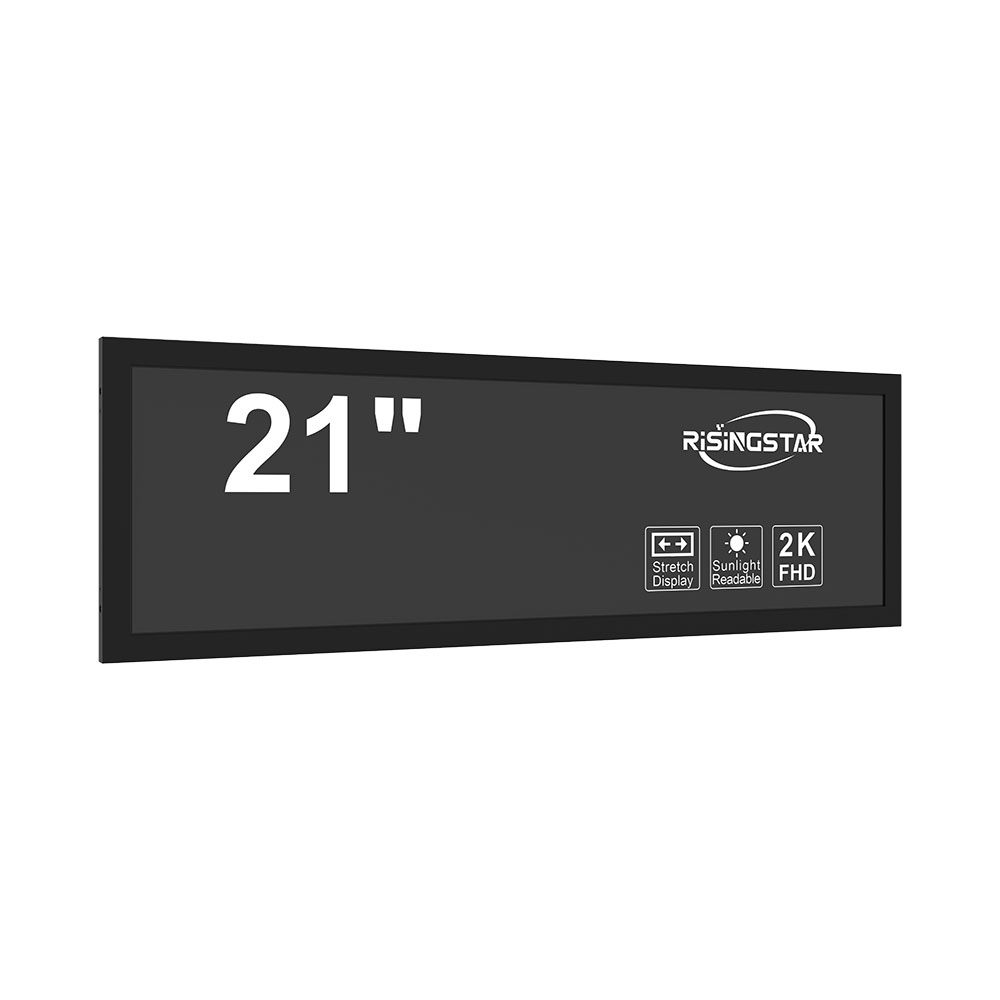
From an engineering perspective, achieving consistent readability requires balancing power consumption with luminance output. Technologies such as local dimming zones and adaptive brightness sensors help optimize energy use without sacrificing clarity. Additionally, compliance with international standards like EN 60950-1 (safety) and IEC 60068-2 (environmental testing) ensures long-term reliability in harsh conditions. As mobile and IoT solutions expand into outdoor settings—from agricultural monitoring to emergency response units—the need for robust, high-brightness displays continues to accelerate, making this field a cornerstone of next-generation human-machine interfaces.