RisingStar
- Home
- About Us
- Products
- News
- Video
- Contact
- Send Inquiry
Search
- Home
- About Us
- Products
- News
- Video
- Contact
- Send Inquiry
RisingStar
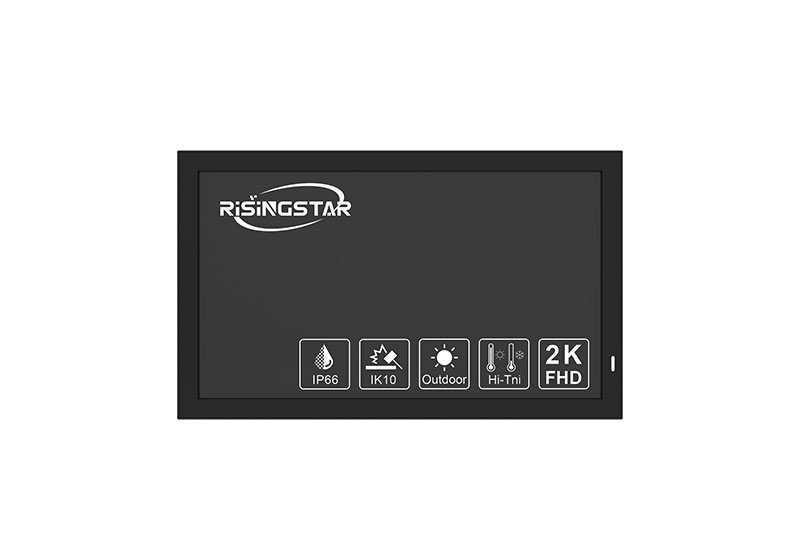
The level of protection for electronic displays is crucial, especially in challenging environments where durability directly impacts performance and user experience. In the realm of high-brightness sunlight-readable LCDs, an essential standard to consider is the IK10 rating. This rating is part of the IEC 62262 standard, which is recognized globally for measuring the resistance of enclosures to mechanical impacts. The IK10 rating signifies that a device can withstand impacts of up to 20 joules, a benchmark indicating that the LCD can endure considerable physical stress without sustaining damage.
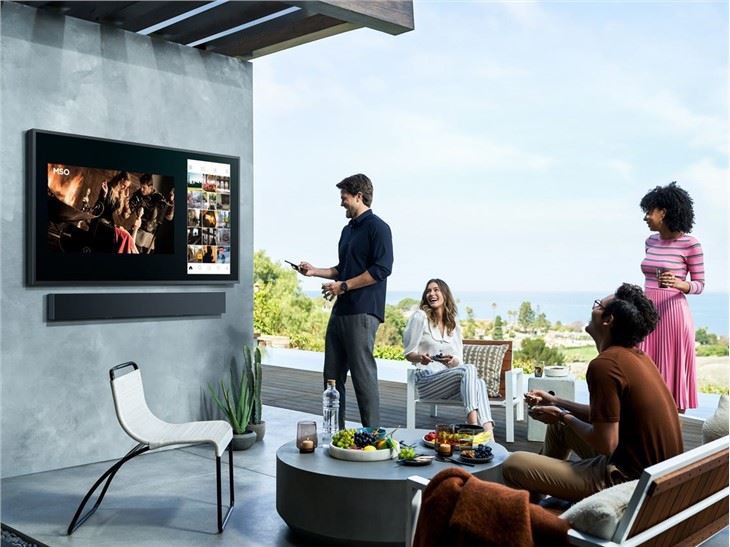
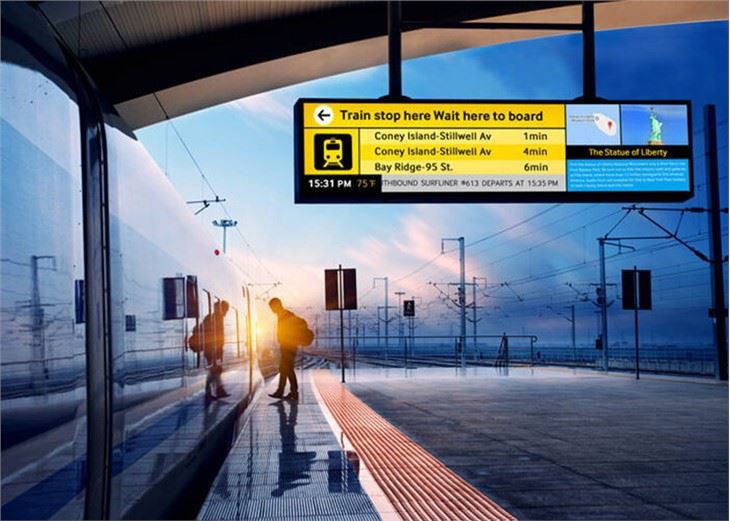
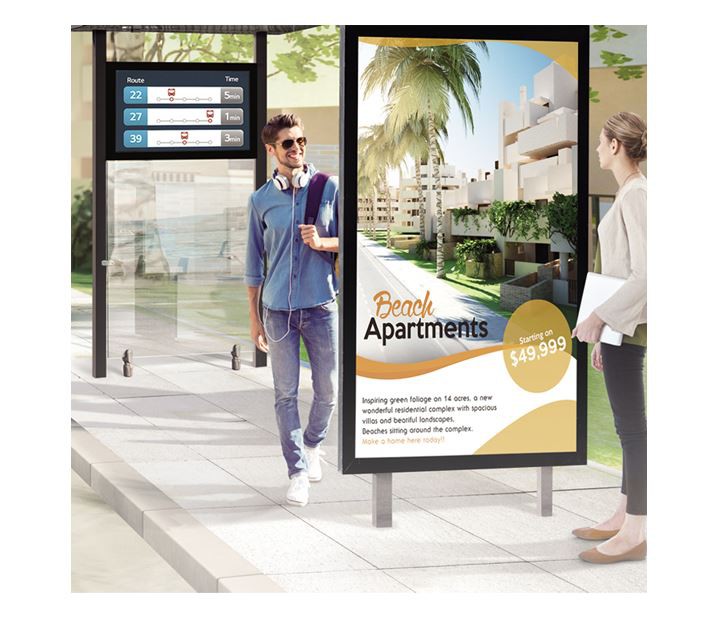
With increasing demands for rugged displays in industries such as outdoor kiosks, transportation, military, and industrial automation, the significance of an IK10 rating cannot be overstated. For example, an outdoor information kiosk may experience environmental pressures including strong winds, accidental collisions, or even vandalism. A high-brightness sunlight-readable LCD screen equipped with an IK10 rating would not only resist these impacts but would also continue to provide clear visibility, even in direct sunlight, enhancing user interaction and satisfaction.
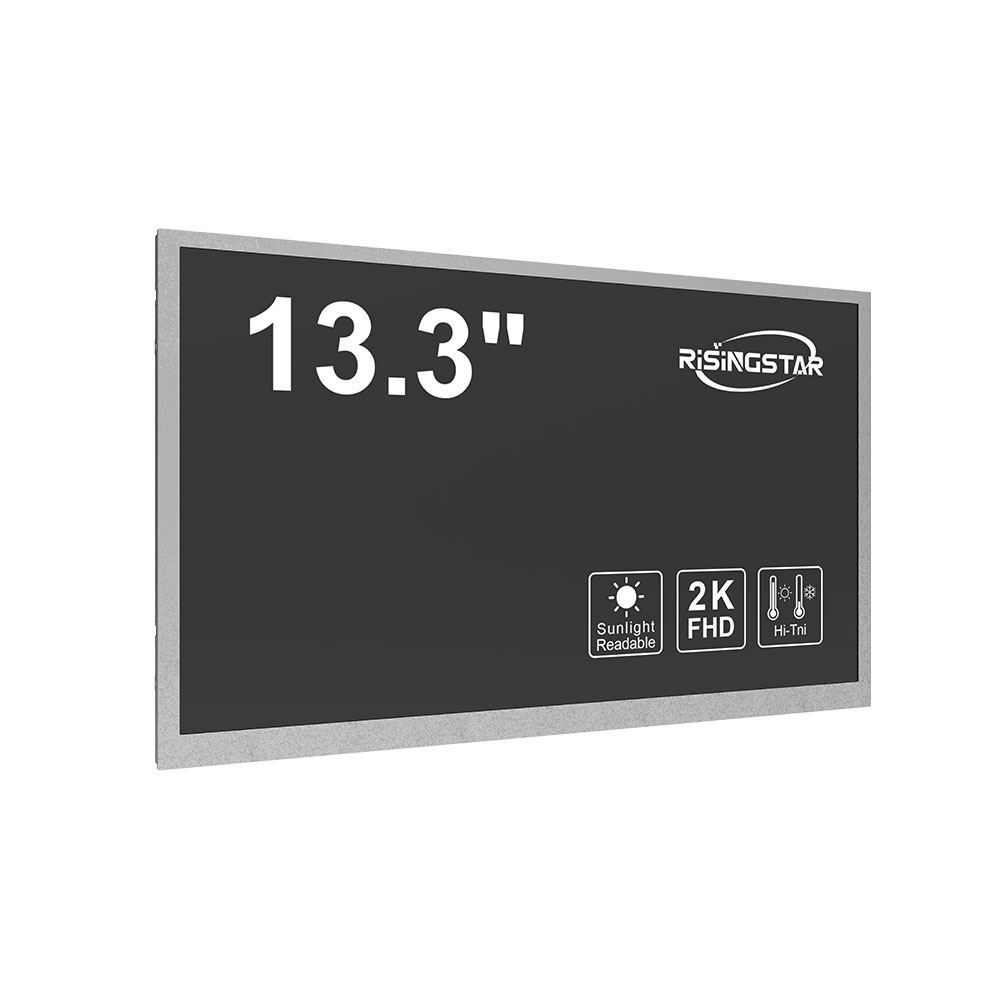
Case studies in various sectors highlight the necessity of IK10-rated displays. In automotive applications, vehicles equipped with rugged displays often face harsh conditions. High temperatures, humidity, and abrasive particles can affect screen performance. An IK10-rated LCD can provide durability against physical shocks while ensuring stable performance in fluctuating environmental conditions, thereby improving the reliability of crucial navigational interfaces for drivers.
Moreover, the application of an IK10 rating extends beyond mere physical durability. When combined with high-brightness technology, these displays also offer enhanced visibility in diverse lighting conditions. This is particularly vital for outdoor environments where sunlight can easily wash out a screen. Technologies such as optical bonding, anti-reflective coatings, and proprietary backlighting solutions amplify the brightness levels of the LCD screen while ensuring it is resistant to damage from impacts.
In industrial settings, equipment used in factories and assembly lines is often subject to accidental bumps and drops. High-brightness LCD screens that meet the IK10 rating can sustain the rigors of the workspace, leading to lower maintenance costs and reduced downtime. Complying with IK10 standards also translates to a longer device lifespan, which is essential for maximizing return on investment in business applications.
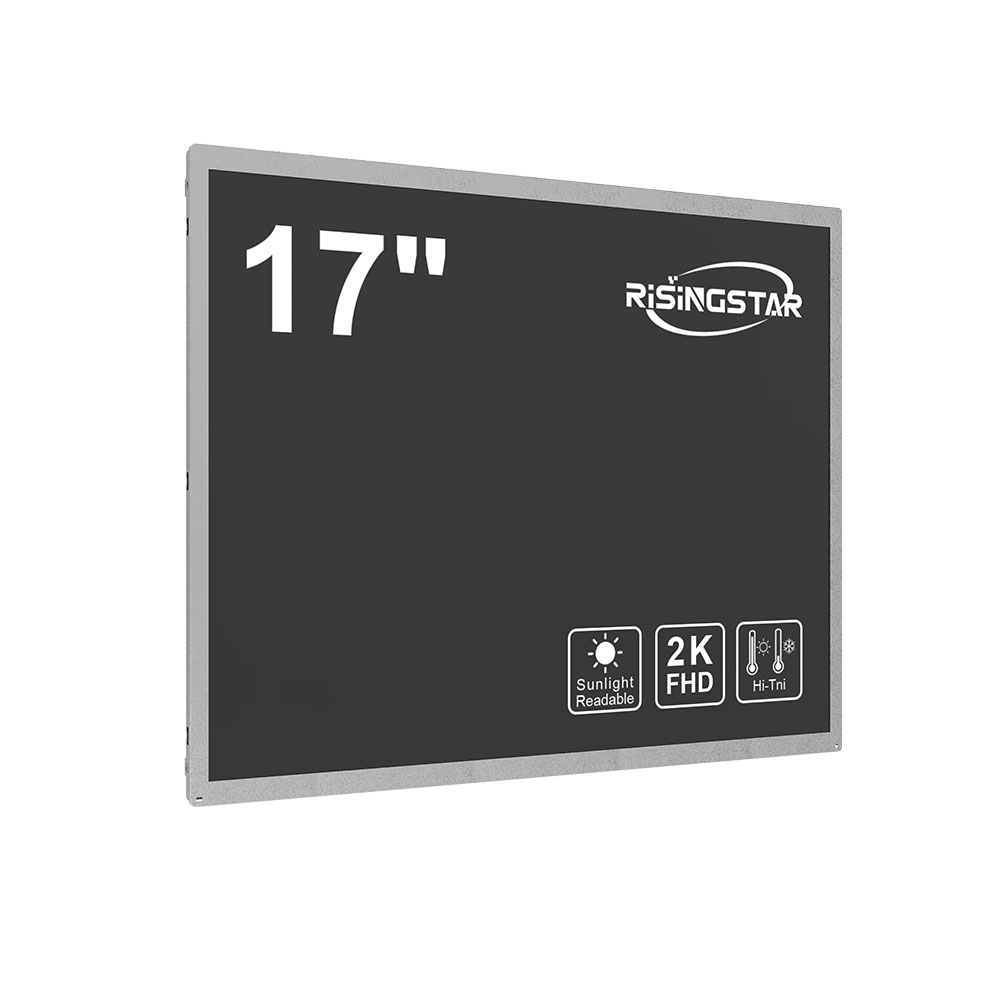
Another noteworthy aspect of the IK10 standard is its role in enhancing the overall safety and security of displays. In public areas, screens that do not meet IK10 standards might shatter upon impact, posing a risk to bystanders and resulting in liability for businesses. By implementing IK10-rated technology, companies can mitigate these risks and ensure the safety of their patrons, aligning with occupational safety regulations.
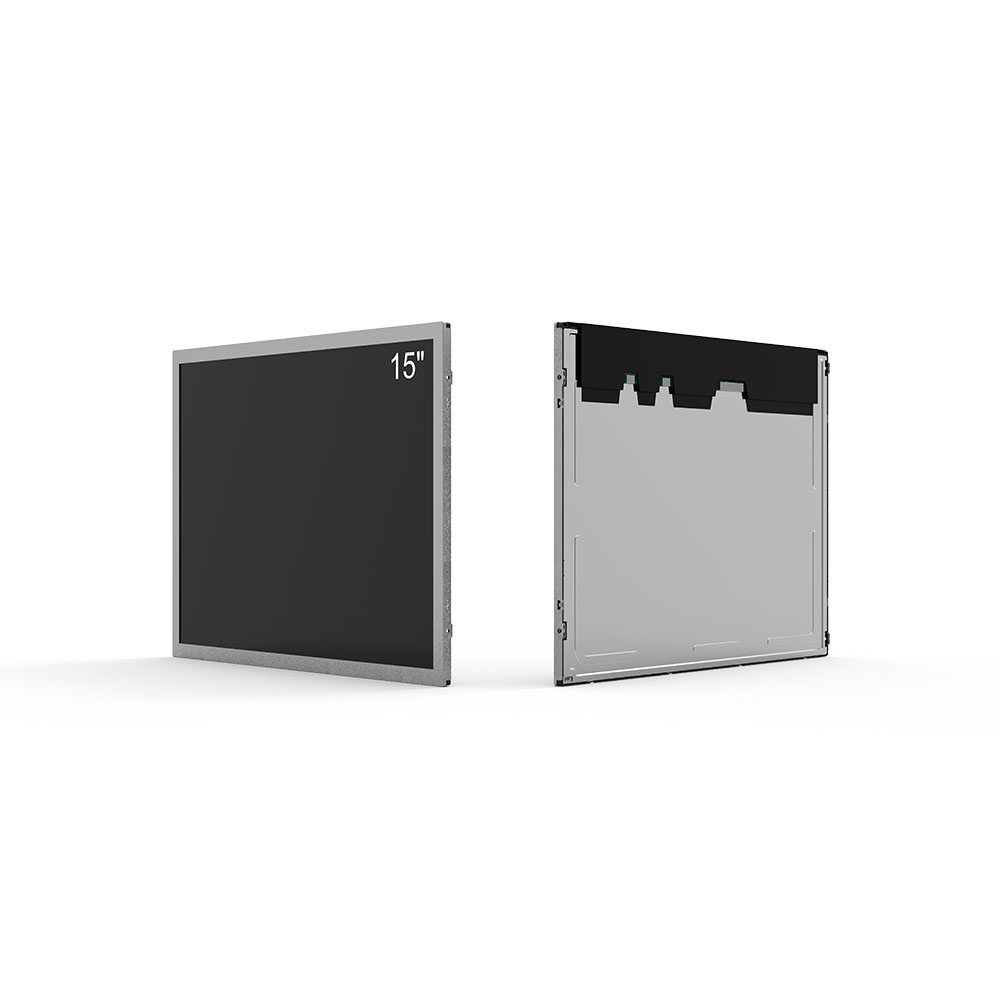
The increasing adoption of IK10-rated high-brightness sunlight-readable LCDs is also driven by greater awareness of environmental sustainability. Manufacturers incorporated energy-efficient backlighting and display technologies that not only comply with IK10 standards but also minimize energy consumption. This synergy contributes to greener manufacturing practices and meets the environmental regulations imposed in many regions.
In conclusion, the integration of an IK10 rating in high-brightness sunlight-readable LCD screens serves as a critical measure of durability and reliability in various applications. The combination of advanced display technology with robust protective ratings ensures that these devices can perform optimally, sustaining longevity while delivering usability in challenging environments. As industries continue to evolve and expand their outdoor presence, the demand for durable, high-performance LCD displays will only grow, solidifying the IK10 rating as a fundamental standard for manufacturers and consumers alike.