RisingStar
- Home
- About Us
- Products
- News
- Video
- Contact
- Send Inquiry
Search
- Home
- About Us
- Products
- News
- Video
- Contact
- Send Inquiry
RisingStar
In today’s world, where technology plays a crucial role in everyday life, the demand for devices that can withstand harsh environmental conditions is ever-increasing. Among various protection standards, the IP66 rating is widely recognized for its robustness, especially in outdoor applications. IP stands for "Ingress Protection" and is often followed by two digits indicating the level of protection against solid particles and liquids.
The first digit of the IP rating (6 in the case of IP66) signifies the degree of protection against solid objects. A digit of 6 indicates that the enclosure is completely dust-tight, preventing any dust ingress. This feature is vital for devices used in industrial settings, where dust can compromise functionality and longevity.
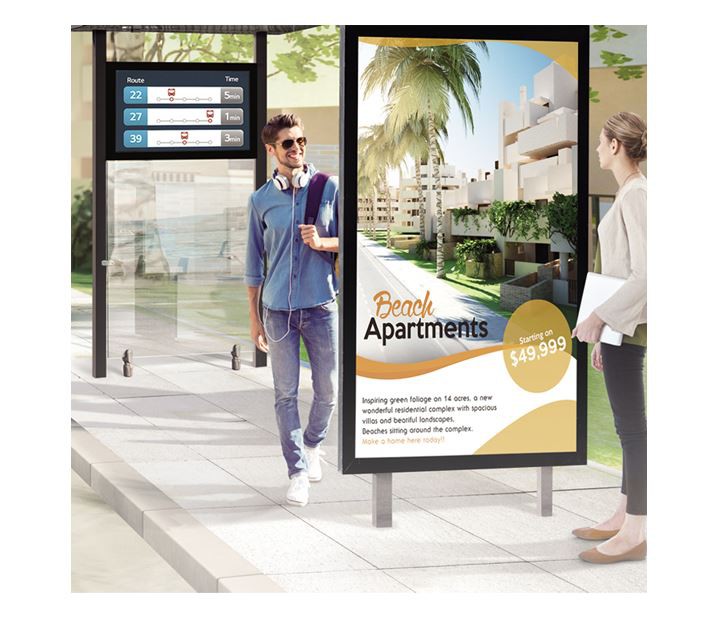
The second digit reflects the level of protection against liquids. A digit of 6 indicates that the device is protected against heavy seas or powerful water jets. This means it can withstand water projected in powerful jets from any direction without any adverse effects. Applications for IP66-rated devices range from outdoor digital signage and public kiosks to marine equipment and telecommunications infrastructure.
When considering an IP66 waterproof device, manufacturers must adhere to specific international standards. The most commonly referenced standard is IEC 60529, which outlines the criteria for the testing of enclosures. The testing process ensures that the device can endure high-pressure water jets and remains free of harmful dust ingress, which is critical for outdoor electronics relied upon in varied weather conditions.
One notable case study demonstrating the efficacy of IP66-rated devices is the deployment of outdoor LED displays in retail environments. For instance, a leading electronics retailer implemented IP66-rated screens in their outdoor advertisement displays. These screens not only survived torrential rainstorms and heavy winds but also showcased vibrant images under direct sunlight, maintaining excellent visibility. Feedback from customers indicated an increase in foot traffic and a significant boost in sales, showcasing how robust, IP66-protected technology can enhance business outcomes.
In telecommunications, IP66 enclosures are essential for protecting sensitive components installed in outdoor cabinets. With the rapid expansion of 5G networks, maintaining the integrity of these cabinets against water intrusion and dust is critical. A prominent telecommunications company experienced issues with water-damaged equipment leading to downtime and service outages. Upon switching to IP66-rated enclosures, they reported a drastic reduction in maintenance costs and service interruptions, showcasing a direct relationship between environmental protection and operational efficiency.
It is imperative for companies to recognize the importance of using IP66-rated equipment in environments prone to water exposure and dust accumulation. This rating not only ensures the longevity and reliability of devices but also reduces the total cost of ownership by minimizing maintenance and replacement frequency.
Furthermore, the demand for IP66-rated products extends to the HVAC industry. Equipment such as outdoor air conditioning units and control systems are often exposed to the elements, making the IP66 rating a necessary feature for ensuring uninterrupted operation.
The future of IP66 waterproof technology looks promising, driven by advancements in materials and engineering methods that will enhance the protective capabilities and durability of electronic enclosures. Innovations such as enhanced sealing techniques and the use of corrosion-resistant materials will continue to evolve, ensuring that devices are not only protected against dust and water but are also capable of withstanding extreme temperatures and conditions.
In conclusion, the significance of the IP66 rating cannot be overstated in designing and deploying devices for outdoor use. The combination of dust-tight and water-resistant features enhances both the performance and reliability of technology in challenging environments. Businesses and manufacturers willing to invest in IP66-rated solutions will likely see enhanced customer satisfaction, reduced operational costs, and an overall improvement in the functionality of their products.